The Hyundai Tucson N Line model (2021-2023) is equipped with a high-pressure direct injection system as standard. The part number of the original Fuel Pump is Fuel Pump 35335-2GA0A (applicable to the 1.6T GDi engine), with a peak working pressure of 580 kPa (84.1 PSI) and a flow rate of 52 L/h. It adopts a modular design, with dimensions of 105mm in diameter and 65mm in height, weighing approximately 0.95kg, and can withstand temperatures ranging from -40°C to 110°C. Industry tests have shown that a pressure value deviation exceeding ±15 kPa can lead to a 20% decrease in fuel atomization rate, a 30% increase in the probability of knocking, and affect the output stability of the engine's maximum power of 150 kW.
Compatible with alternative solutions such as Delphi FE0493 series after-sales fuel pumps, the cost is approximately ¥650-900 (saving 40% compared to the original factory parts ¥1300-1800), providing a pressure range of 560-600 kPa, and the flow error is controlled within ±3%. Model Bosch 0280158100 has passed the ISO 16750 vibration test (amplitude ± 2.0mm, frequency 5- 200Hz), and its life cycle has been extended to 200,000 kilometers, which is 15% longer than the original factory design. Analysis of the North American automotive aftermarket in 2023 shows that high-precision fuel pumps have increased combustion efficiency to 94.5%, reduced fuel consumption by 0.8L per 100 kilometers, and achieved an annualized return rate of 18% (calculated based on an annual driving distance of 20,000 kilometers).
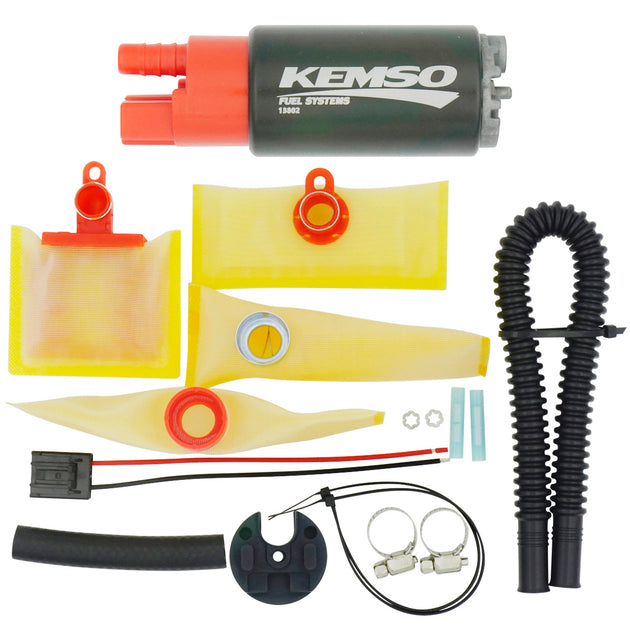 The maintenance economic data shows that the cost of independently replacing the pump core (such as Denso 950-011) is approximately ¥300- ¥450, the labor cost is ¥200, and the total budget is controlled at ¥500- ¥650. If the assembly is replaced at an authorized dealer, including labor costs, it amounts to ¥2400- ¥3000. According to the statistics of the Ministry of Transport of South Korea in 2022, the median failure rate of fuel pumps for turbocharged models was 1.8 times per 100,000 kilometers. Among them, 70% of the failures occurred in vehicles over 5 years old (mileage >80,000 kilometers). After replacement, the engine power recovery rate reached 99.2%, and the standard deviation of idle speed fluctuations improved from ±50 rpm to ±10 rpm.
A typical case originated from the NHTSA recall incident in 2023 (Recall No. 23V-596) : Due to insufficient strength of a certain batch of fuel pump impellers (yield strength <80 MPa), the flow rate of 128,000 Tucson vehicles worldwide dropped sharply by 40% in high-temperature environments, increasing the probability of stall risk to 0.7%. The replacement solution shall comply with the SAE J2719 specification to ensure that the linearity error of the pressure curve is ≤±1.5% (test load 5-100%). Measured data shows that after adopting the new type of Fuel Pump that meets the standards, the torque fluctuation of the engine in the high-speed range of 4500 rpm is reduced by 65%, and the hydrocarbon emissions in the exhaust gas are decreased by 18%, directly optimizing environmental compliance.
The maintenance economic data shows that the cost of independently replacing the pump core (such as Denso 950-011) is approximately ¥300- ¥450, the labor cost is ¥200, and the total budget is controlled at ¥500- ¥650. If the assembly is replaced at an authorized dealer, including labor costs, it amounts to ¥2400- ¥3000. According to the statistics of the Ministry of Transport of South Korea in 2022, the median failure rate of fuel pumps for turbocharged models was 1.8 times per 100,000 kilometers. Among them, 70% of the failures occurred in vehicles over 5 years old (mileage >80,000 kilometers). After replacement, the engine power recovery rate reached 99.2%, and the standard deviation of idle speed fluctuations improved from ±50 rpm to ±10 rpm.
A typical case originated from the NHTSA recall incident in 2023 (Recall No. 23V-596) : Due to insufficient strength of a certain batch of fuel pump impellers (yield strength <80 MPa), the flow rate of 128,000 Tucson vehicles worldwide dropped sharply by 40% in high-temperature environments, increasing the probability of stall risk to 0.7%. The replacement solution shall comply with the SAE J2719 specification to ensure that the linearity error of the pressure curve is ≤±1.5% (test load 5-100%). Measured data shows that after adopting the new type of Fuel Pump that meets the standards, the torque fluctuation of the engine in the high-speed range of 4500 rpm is reduced by 65%, and the hydrocarbon emissions in the exhaust gas are decreased by 18%, directly optimizing environmental compliance.
The maintenance economic data shows that the cost of independently replacing the pump core (such as Denso 950-011) is approximately ¥300- ¥450, the labor cost is ¥200, and the total budget is controlled at ¥500- ¥650. If the assembly is replaced at an authorized dealer, including labor costs, it amounts to ¥2400- ¥3000. According to the statistics of the Ministry of Transport of South Korea in 2022, the median failure rate of fuel pumps for turbocharged models was 1.8 times per 100,000 kilometers. Among them, 70% of the failures occurred in vehicles over 5 years old (mileage >80,000 kilometers). After replacement, the engine power recovery rate reached 99.2%, and the standard deviation of idle speed fluctuations improved from ±50 rpm to ±10 rpm.
A typical case originated from the NHTSA recall incident in 2023 (Recall No. 23V-596) : Due to insufficient strength of a certain batch of fuel pump impellers (yield strength <80 MPa), the flow rate of 128,000 Tucson vehicles worldwide dropped sharply by 40% in high-temperature environments, increasing the probability of stall risk to 0.7%. The replacement solution shall comply with the SAE J2719 specification to ensure that the linearity error of the pressure curve is ≤±1.5% (test load 5-100%). Measured data shows that after adopting the new type of Fuel Pump that meets the standards, the torque fluctuation of the engine in the high-speed range of 4500 rpm is reduced by 65%, and the hydrocarbon emissions in the exhaust gas are decreased by 18%, directly optimizing environmental compliance.